
 EN
EN
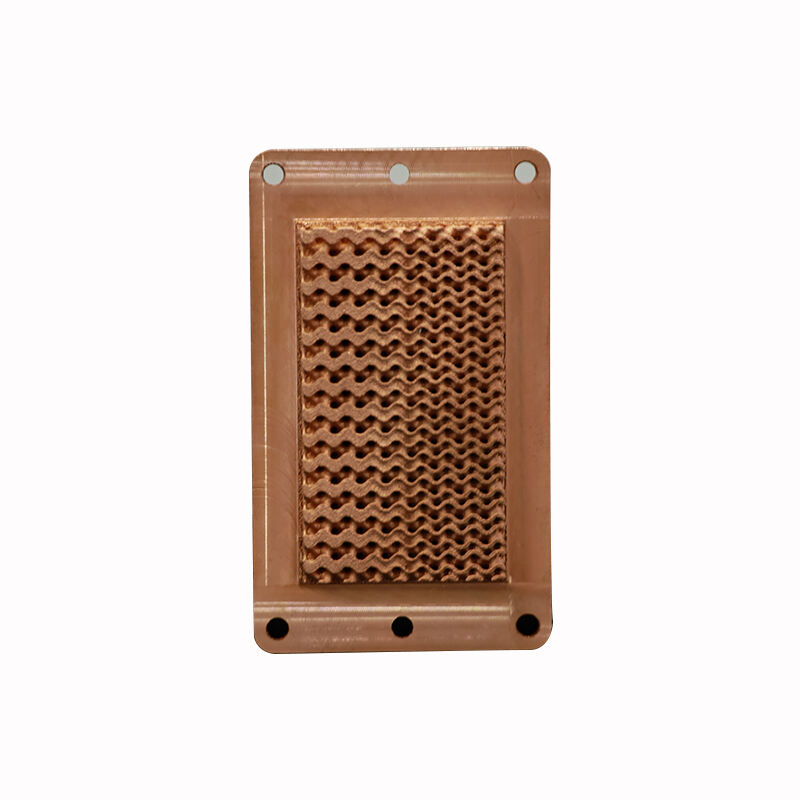
In electronics, it’s really important to keep things cool. The team’s gadget is based on an actual, effective technology; it cools hot objects faster than the surrounding air when you pass a current through them.
Introduction
Why is Copper 3D Printing Ideal for Electronic Cooling? Copper 3D printing is good for cooling electronics. First, it conducts heat really well. So it can pull heat out of critical components of electronic devices like chips and processors at high speed. When heat is dissipated more quickly, the machine can operate more effectively and last longer.
About us
Where Can I Get Wholesale Copper 3D Printing Parts to Have the Best Heat Management Properties? If you are in the market for wholesale 3D printed copper parts to assist with heat management, Pulesheng Technology is an excellent place to begin your search. They are dedicated to making that quality and performance available as affordable electronics cooling solutions.
What are some issues commonly associated with heat dissipation
Electronics can get very hot when we use them. That’s particularly true of items such as computers, phones and gaming consoles. They can shut down or even become permanently damaged if they get too hot. One major issue with heat dissipation (or getting rid of the heat) in 3D printed electronics is the material that we’re using. Much of the 3D parked parts are printed in plastic or other polymers. These substances do not conduct heat well they cannot transfer heat away from hot parts of the device fast enough.
Copper 3D Printing Changes the Game
Copper is a well known metal who has the highest heat transfer capability. That means it can soak up heat rapidly and rush that warmth away from hot spots in electronic devices. Those are components that help keep electronics cool by spreading out their heat, and they go by the name heat sink. The 3d printing service game is changing with copper 3D printed heat sinks.
Common Electronics Heat
One of the best solutions is additive printing copper 3D printing, ideal for solving heat dissipation issues in electronics. First, we must understand the heat problems that a device is experiencing. Is one spot growing too hot? Or is the whole device having trouble keeping its coo.
Conclusion
In addition, we can increase air flow to the heat sink. For example, we can build heat sinks with fins that extend the surface area, enabling hot air to dissipate more easily. That is, 3d printing costs as the heat sink sucks up heat, it can also shoot it out into the air more quickly. At Pulesheng Technology, “we have pretty nice software tools to simulate how heat is dissipated in electronics says Peter Capper.

