
 EN
EN
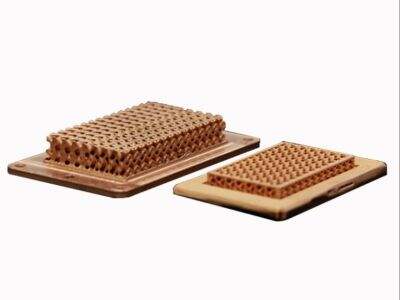
3D-utskrivning av metall förändrar sättet kylkroppar tillverkas på, använda för att kyla ner maskiner och elektronik. Och denna nya teknik gör att vi kan tillverka lättare och mer effektiva kylkroppar i former som anpassas efter det de ska fästas på.
Det är vad man bör överväga när man handlar
När du letar efter kylkroppar i metall från världens största tillverkare av 3D-utskrivna kylkroppar bör du överväga några saker. Vanligtvis är det första att titta på vilket material som används för kylkropparna. Metaller som aluminium och koppar är utmärkta för detta, eftersom de leder värme så effektivt. Men nu spelar storleken på kylkroppen roll.
Bästa grossistleverantörer
Det är inte lätt att hitta de bästa grossistleverantörerna för metall 3D-utskriftstjänster, men det finns flera bra ställen att börja på. Sök först efter företag som utför metall 3D-utskrift på internet. De flesta företag har en webbplats där de marknadsför sina produkter och tjänster. Där kan du se vilka typer av kylflänsar de tillverkar och deras utskriftskapacitet.
Fördelarna med metall 3D-skrivning
Hur metall 3D-utskrift förändrar sättet vi hanterar värme. Den ger oss möjlighet att tillverka komplexa former som är svåra (eller omöjliga) att tillverka med mer traditionella metoder. Till exempel behöver vi ofta delar i maskiner och bilar som hjälper till att kyla av dessa. Med metall 3D-utskrift kan Pulesheng Technology tillverka kylflänsar och kylsystem som passar exakt där de behövs.
Hur kan jag optimera värmeavledning
Om du vill maximera din värmeavledning för 3d print service skillnaden är kritisk. Pulesheng Technology lägger stor vikt vid formen och strukturen hos våra utformade tillbehör. Med mer sofistikerad programvara kan vi modellera hur värme flödar genom en komponent. Detta gör det möjligt för oss att designa delar som effektivt kan avleda värme. Till exempel kan vi forma en kylkropp av många tunna, kamformiga strukturer.
Varför metall-3D-utskrift är betydelsefull
3D-utskrift i metall innebär ett nytt område för värmeöverföringsapplikationer eftersom det ger oss stor designfrihet. Traditionella tillverkningsmetoder begränsar oftast hur vi kan designa delar. Men med additivt skrivande kan vi utveckla nya, skräddarsydda konstruktioner som tillverkas enligt specifika krav.
Slutsats
Och hållbarheten hos metallkomponenter tillverkade med 3D-utskrift får inte underskattas. Dessa komponenter är slitstarka och tål höga temperaturer och mekanisk påfrestning. Denna kostnader för 3d-skrivning hållbarhet är avgörande i processer där värme förekommer, till exempel i fordonsmotorer eller elektronik.

