
 EN
EN
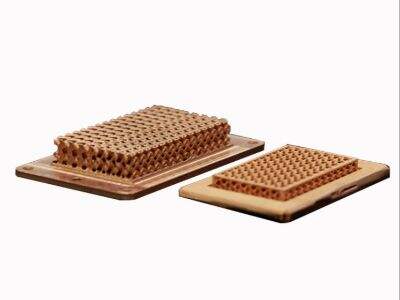
การพิมพ์ 3 มิติโลหะเป็นเทคโนโลยีการผลิตที่ชาญฉลาด ซึ่งกำลังเปลี่ยนแปลงวิธีการผลิตสิ่งของของเราอย่างสิ้นเชิง มันช่วยให้เราสามารถผลิตชิ้นส่วนและองค์ประกอบจากโลหะได้อย่างรวดเร็วและมีประสิทธิภาพมากกว่าเดิมด้วยวิธีการอื่นๆ พื้นที่หนึ่งที่การพิมพ์ 3 มิติโลหะโดดเด่นเป็นพิเศษคือสำหรับการสร้างชิ้นส่วนฉนวนความร้อน ชิ้นส่วนเหล่านี้ช่วยรักษาอุณหภูมิของเครื่องจักรและอุปกรณ์ให้เย็นลง ซึ่งเป็นสิ่งสำคัญต่อการทำงานและการใช้งานอย่างปลอดภัย Pulesheng Technology ได้ก่อตั้งตนเองขึ้นเป็นผู้นำในการจัดหาโลหะรุ่นใหม่ บริการพิมพ์ 3D เพื่อตอบสนองความต้องการเหล่านี้ เราให้คำมั่นสัญญาในการผลิตผลิตภัณฑ์ระบายความร้อนคุณภาพสูง ซึ่งสามารถช่วยเพิ่มประสิทธิภาพและยืดอายุการใช้งานของอุปกรณ์ต่างๆ ได้
ความสำคัญของการพิมพ์ 3 มิติด้วยโลหะสำหรับชิ้นส่วนที่ระบายความร้อนอย่างมีประสิทธิภาพ
การพิมพ์ 3 มิติด้วยโลหะมีความสำคัญอย่างยิ่งต่อการผลิตอุปกรณ์ระบายความร้อน เนื่องจากมีข้อได้เปรียบที่เหนือกว่าวิธีการแบบดั้งเดิมในหลายด้าน โดยประการแรก สามารถสร้างการออกแบบที่ซับซ้อนได้อย่างอิสระ ซึ่งอาจช่วยปรับปรุงการไหลเวียนของอากาศ และส่งผลให้การระบายความร้อนดีขึ้น ตัวอย่างเช่น รูปทรงที่ซับซ้อนมากขึ้น เช่น โครงสร้างถักกัน (braids) สามารถเพิ่มพื้นที่ผิวสัมผัส ทำให้การนำความร้อนดีขึ้น ซึ่งมีประโยชน์อย่างมากในอุตสาหกรรมอิเล็กทรอนิกส์ ที่อุปกรณ์มักจะร้อนจัดและต้องการชิ้นส่วนพิเศษเพื่อรักษาอุณหภูมิให้อยู่ในระดับปลอดภัย ด้วยการพิมพ์ 3 มิติด้วยโลหะ การพิมพ์ 3D ในอุตสาหกรรม เราสามารถสร้างชิ้นส่วนที่พอดีเป๊ะ โดยใช้พื้นที่เล็กๆ ภายในอุปกรณ์อิเล็กทรอนิกส์ได้อย่างมีประสิทธิภาพ และทำให้อุปกรณ์มีขนาดเล็กลง
เราจัดหาบริการพิมพ์ 3 มิติด้วยโลหะที่ดีที่สุดสำหรับการระบายความร้อน
อาจเป็นเรื่องยากที่จะหาร้านบริการพิมพ์ 3 มิติโลหะที่น่าเชื่อถือสำหรับชิ้นส่วนกระจายความร้อนของคุณ แต่ก็เป็นสิ่งจำเป็นหากคุณต้องการชิ้นงานที่มีคุณภาพ จุดเริ่มต้นที่ดีคือการระบุบริษัทที่เชี่ยวชาญด้านการผลิตอุตสาหกรรม หนึ่งในนั้นคือบริษัท Pulesheng Technology ซึ่งมีบริการหลากหลายด้านงานคุณภาพสูง การพิมพ์ 3D แบบกำหนดเอง เราเข้าใจวิธีการผลิตชิ้นส่วนระบายความร้อนที่มีคุณภาพยอดเยี่ยม เพื่อให้สอดคล้องกับมาตรฐานอุตสาหกรรมหลายประการ
คุณยังสามารถค้นหาคําแนะนําจากลูกค้าคนอื่นได้ การเรียนรู้เกี่ยวกับประสบการณ์ของบริษัทอื่น ๆ ก็สามารถทําให้คุณสามารถตัดสินความน่าเชื่อถือและคุณภาพของบริการได้ บริษัทหลายแห่งแสดงโครงการของพวกเขาในอินเตอร์เน็ต และแสดงผลการร่วมมือที่พวกเขาเขียน การ เลือก ผู้ ให้ บริการ คุณอาจต้องการที่จะติดต่อผู้ให้บริการที่เป็นไปได้และอธิบายสิ่งที่คุณกําลังมองหาในรายละเอียดมากขึ้น บริษัท ที่ มี ชื่อเสียง จะ ใช้ เวลา ฟัง ความ ต้องการ ของ คุณ และ ให้ คํา ตอบ ที่ ตอบ กับ ความ ต้องการ ของ คุณ
การเลือกเทคโนโลยีการพิมพ์ 3D โลหะที่เหมาะสมสําหรับความต้องการในการเย็น
ด้วยความก้าวหน้าในการพิมพ์ 3 มิติด้วยโลหะ โดยเฉพาะเมื่อต้องการหาวิธีที่ดีที่สุดในการผลิตชิ้นส่วนที่ช่วยระบายความร้อน การมีความรู้พื้นฐานเกี่ยวกับประเภทต่างๆ ของการพิมพ์ 3 มิติด้วยโลหะจึงเป็นสิ่งสำคัญ การพิมพ์ 3 มิติด้วยโลหะเป็นวิธีพิเศษในการสร้างชิ้นส่วนโลหะโดยตรงจากข้อมูลคอมพิวเตอร์ เมื่อพูดถึงส่วนประกอบที่ใช้ในการระบายความร้อน ซึ่งเป็นชิ้นส่วนที่ใช้ในการนำความร้อนส่วนเกินออกจากเครื่องจักรหรืออุปกรณ์อิเล็กทรอนิกส์ เทคโนโลยีจึงมีบทบาทสำคัญอย่างแท้จริง Direct Metal Laser Sintering (DMLS) เป็นหนึ่งในวิธีที่ใช้กันอย่างแพร่หลาย กระบวนการนี้ใช้เลเซอร์ในการหลอมผงโลหะและสร้างชิ้นส่วนโดยการสะสมทีละชั้น DMLS เหมาะมากสำหรับการสร้างรูปร่างที่ซับซ้อน ซึ่งวิธีการแบบดั้งเดิมอาจทำไม่ได้ง่ายนัก อีกเทคโนโลยีหนึ่งที่เรียกว่า Selective Laser Melting (SLM) มีลักษณะคล้ายกับ DMLS แต่สามารถสร้างชิ้นส่วนที่มีความหนาแน่นมากกว่า
ตัวเลือกการสั่งซื้อสินค้าแบบขายส่งสำหรับฮีทซิงก์โลหะแบบกำหนดเองของคุณคืออะไร
เมื่อธุรกิจต้องการชิ้นส่วนที่ช่วยควบคุมความร้อน เช่น ฮีทซิงก์ โดยทั่วไปมักจะหันไปพึ่งตลาดขายส่ง ซึ่งเป็นการซื้อสินค้าจำนวนมากในคราวเดียว เพื่อประหยัดค่าใช้จ่าย ฮีทซิงก์โลหะแบบกำหนดเองถูกผลิตขึ้นมาเพื่อตอบสนองความต้องการเฉพาะบุคคลได้อย่างสมบูรณ์ และมีบทบาทสำคัญในการทำให้อุปกรณ์ทำงานเย็นลง นอกจากนี้ ยังมีตัวเลือกหลายอย่างสำหรับผู้ที่ต้องการซื้อฮีทซิงก์เหล่านี้เป็นจำนวนมากจากบริษัท พูลเช็ง เทคโนโลยี เมื่อสั่งซื้อในปริมาณมาก ควรพิจารณาขนาดที่เหมาะสมด้วย ยิ่งซื้อมาก ราคาต่อหน่วยก็ยิ่งถูกลง ซึ่งเป็นประโยชน์อย่างยิ่งสำหรับบริษัทที่ผลิตอุปกรณ์จำนวนมากและต้องใช้ฮีทซิงก์จำนวนมาก

